Zero-Drop vs. Traditional Running Shoes: Which Is Right for You?
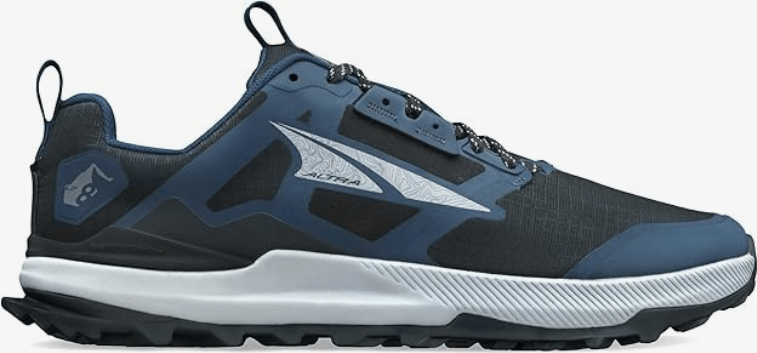
Choosing between zero-drop and traditional running shoes can feel like picking between two paths in the woods—one flat and natural, the other cushioned and familiar. Each design changes how your foot strikes the ground, how your muscles work, and even how your stride feels mile after mile. Let’s break down the differences without jargon and help you find the shoe that fits your running style.
What Is Heel-to-Toe Drop?
Heel-to-toe drop (often just called “drop”) measures the height difference between the heel and forefoot of a shoe.
-
Zero-drop shoes: 0mm drop (heel and forefoot sit at the same height).
-
Traditional shoes: 8–12mm drop (higher heel, lower forefoot).
Think of it as the difference between standing on a level floor versus a gentle downhill slope.

What Are Zero-Drop Running Shoes?
Zero-drop shoes aim to mimic barefoot running. They encourage a more natural stride by keeping your foot level with the ground.
Benefits of Zero-Drop Shoes
-
Promotes midfoot or forefoot striking
-
Helps strengthen the feet and calves over time
-
Encourages better posture and alignment
-
Feels more grounded and flexible
Possible Drawbacks
-
Calves and Achilles may feel overstressed during transition
-
Requires gradual adaptation to avoid injury
-
Not ideal for runners needing stability or heavy cushioning

What Are Traditional Running Shoes?
Traditional shoes feature a raised heel and thicker cushioning. They’re the “classic” running shoe most people grew up wearing.
Benefits of Traditional Running Shoes
-
More forgiving for heel strikers
-
Reduces strain on the Achilles and calves
-
Great for long, easy runs and high mileage
-
Offers more options for stability and motion control
Possible Drawbacks
-
Can encourage overstriding
-
Less natural ground feel
-
Some runners feel “pushed forward” by the heel height
Which Shoe Style Matches Your Running Form?
If You Mostly Heel Strike
Traditional running shoes usually feel more comfortable and protective. They cushion impact, reduce stress on the lower legs, and work well for beginners or injury-prone runners.
If You Midfoot or Forefoot Strike
Zero-drop shoes may feel smoother and more natural, especially if you prefer low-to-the-ground shoes or minimalist designs.
If You Want Better Foot Strength
Zero-drop models can help—but only if you transition slowly. Think weeks, not days.
If You Need Support or Have Plantar Fasciitis
Traditional shoes typically offer more options in stability, arch structure, and cushioning.
How to Transition Safely to Zero-Drop Shoes
If you jump straight into zero-drop after years in traditional shoes, your calves will scream louder than a referee whistle at a pickleball court.
Transition like this instead:
-
Start with 10–15 minutes of running every other day.
-
Slowly increase volume over 2–4 weeks.
-
Add calf-strengthening exercises and foot-mobility exercises.
-
Mix zero-drop with your regular pair until the new form feels natural.
Who Should Choose Zero-Drop Shoes?
You may love zero-drop shoes if:
-
You enjoy a barefoot-style feel
-
You want to improve ground contact and efficiency
-
You prefer flexible, lightweight shoes
-
You already run with a midfoot strike

Who Should Choose Traditional Running Shoes?
These shoes tend to be a better match if:
-
You’re a heel striker
-
You want more cushioning and support
-
You run long distances or high weekly mileage
-
You’ve had Achilles or calf injuries
Final Verdict: It Comes Down to Comfort + Form
There’s no universal “best” style—just the one that feels right for your stride, your goals, and the way your feet meet the earth. Many runners even rotate both styles: zero-drop for short or strength-building runs, traditional for long, cushioned miles.