How to Clean White Sneakers Without Damaging the Material

Nothing completes an outfit like a crisp pair of white kicks. They are a true fashion staple, loved for their versatility and clean look. But keeping them looking fresh can feel like a constant battle against dirt and stains.
Many people worry that the process of cleaning their favorite shoes will ruin them. The good news is that with the right approach, you can maintain that brand-new appearance. This guide is designed to help you do just that.
Different materials, from sturdy canvas to soft suede, require specific care. Using the wrong method can lead to discoloration or damage. We will cover the best techniques for each type to ensure your footwear stays in top condition.
You'll learn which household products are safe to use and which tools make the job easier. We will also explain the best drying methods to preserve the shape and color of your prized possessions.
Key Takeaways
- White shoes are a wardrobe essential but require specific care to stay bright.
- Different materials (leather, canvas, etc.) need unique cleaning approaches.
- Using the correct techniques prevents damage like discoloration.
- Common household items can be effective for this task.
- Proper drying is crucial for maintaining the shoe's shape.
- A little knowledge and effort can restore even very dirty sneakers.
Introduction to Cleaning Your White Sneakers
The enduring appeal of white athletic footwear spans generations, maintaining its status as both functional sportswear and fashion essential. These versatile white sneakers work with virtually any outfit, from casual weekend wear to more polished looks.
This universal popularity comes with a significant challenge—every scuff, stain, and speck of dirt becomes immediately visible. That crisp, fresh appearance can quickly fade without proper attention.
Many people hesitate to tackle cleaning white footwear at home, fearing they might cause yellowing or texture damage. However, with the right approach, you can safely restore your favorite shoes yourself.
The key to successful maintenance lies in understanding your specific sneaker's material composition. Different fabrics and finishes require unique approaches to preserve their integrity.
Regular upkeep and quick action when stains occur will significantly extend your footwear's lifespan. A little knowledge empowers you to transform dingy white shoes back to their original brilliance.
This guide provides the essential care techniques for keeping your collection looking fresh. You'll learn the best way to handle everything from light surface dirt to stubborn marks.
Understanding Sneaker Materials and Care Requirements
https://www.youtube.com/watch?v=y1zaU-sWYk0
Before you grab any cleaning product, the most critical step is identifying your sneaker's material composition. This knowledge is the foundation of effective care and prevents accidental damage.
Material Sensitivities: Canvas, Leather, and Suede
Canvas and cotton-based shoes are quite forgiving. They often handle machine washing well. Yet, some weaves can still stain if treated improperly.
Leather requires a more delicate touch. Robust athletic leather can tolerate water, but fashion shoes from brands like Veja need minimal moisture.
Suede is the most challenging material. Water can ruin its delicate nap. Specialized suede blocks or cleaners are essential for this fabric.
Why Proper Care Matters
Using the wrong method on expensive materials can be a costly error. Throwing premium canvas or leather shoes in a washer might ruin them.
Your approach should match the most delicate material on the shoe. This careful identification preserves your investment and keeps your footwear looking new. Understanding these materials ensures every pair gets the right treatment.
Pre-Cleaning Preparations and Safety Measures
The real work of cleaning begins long before any soap or water is involved. Taking a few minutes for proper setup protects your footwear and makes the entire process more effective.
Your first task is to disassemble the shoe. Always remove laces and any removable insoles. This gives you full access to hidden spots like eyelets and the tongue.
Cleaning the laces and insoles separately ensures a more thorough job. It also helps the interior of your shoes dry faster, preventing odors.
Removing Laces and Insoles
When you remove laces, you can easily clean the grimy channels they run through. Taking out the insoles allows you to tackle stains inside the shoe and air it out properly.
Brushing Off Loose Dirt and Debris
Next, focus on dry dirt. Go outside and clap the soles of your shoes together. This simple action helps get rid of a surprising amount of loose debris.
For stuck-on particles, a soft-bristle brush is your best tool. An old toothbrush works perfectly for small crevices. Gently brush away the dirt, following the material's grain.
This step is crucial. It prevents you from just spreading mud around during the wet cleaning phase. Getting rid of surface grit first leads to a much brighter, truly clean result.
How to Clean White Sneakers Without Damaging the Material

When your favorite footwear has seen better days, a washing machine might seem like a quick fix. However, this method is best saved as a last resort. It's great for tackling odors but less effective on tough stains.
Proper preparation is key to success. Always confirm your shoes are made of washer-safe materials like canvas or mesh. Leather should never go in the machine.
Step-by-Step Machine Washing Guidelines
Start by removing the laces and insoles. Pre-clean rubber parts with a soft brush and a mild dish soap solution. This helps get rid of surface dirt.
Place everything into a mesh laundry bag. Add two towels to the drum for cushioning and noise reduction. This protects both your shoes and the appliance.
Select a delicate cycle with cold water. The gentle agitation and temperature protect the glues and materials. Use a mild detergent for this laundry task.
Never use the dryer. Air-drying is the only safe method to preserve your sneakers' shape and structure.
Effective Hand Cleaning Methods
For most situations, hand washing is the safer choice. It gives you more control over the cleaning process. You can focus directly on problem areas.
Create a simple solution of cool water and a small amount of detergent. Use a soft-bristled brush to gently work on stains.
This method is perfect for spot treatment and regular upkeep. It significantly reduces the risk of damage compared to a machine cycle.
Machine Washing vs. Hand Cleaning
| Method | Best For | Key Consideration | Risk Level |
|---|---|---|---|
| Machine Washing | Deep odors, overall grime on sturdy materials | Requires careful preparation and correct settings | Medium to High |
| Hand Cleaning | Targeted stain removal, delicate materials, regular maintenance | Offers maximum control and gentler action | Low |
Choosing the right approach depends on the condition of your shoes and their material. Hand cleaning is generally the recommended and safest path for keeping your footwear looking fresh.
Cleaning Techniques for Different Sneaker Materials
The secret to restoring your favorite footwear lies in matching the cleaning technique to the specific construction material. Each type requires a unique approach to preserve its quality and appearance.
Cleaning Canvas and Fabric Sneakers
Canvas and other fabric shoes are among the easiest to maintain. Many styles can safely go through the washing machine if they lack leather or suede details.
For machine washing, use cold water on the gentle cycle with mild detergent. Always remove laces first and soak them separately. For hand cleaning, create a baking soda and detergent solution.
Special Care for Leather and Suede Shoes
Leather shoes demand gentle handling. Start by brushing off loose dirt with a soft-bristle tool. Use a dish soap and warm water mixture for the surface.
A damp magic eraser works wonders on scuff marks. For spot treatment, non-gel toothpaste applied in circular motions can brighten problem areas. Always stuff the shoe with newspaper after cleaning to maintain shape.
This careful approach ensures each material receives the proper care it deserves. Your leather and fabric shoes will thank you with lasting freshness.
Household Ingredients for a Sparkling Clean
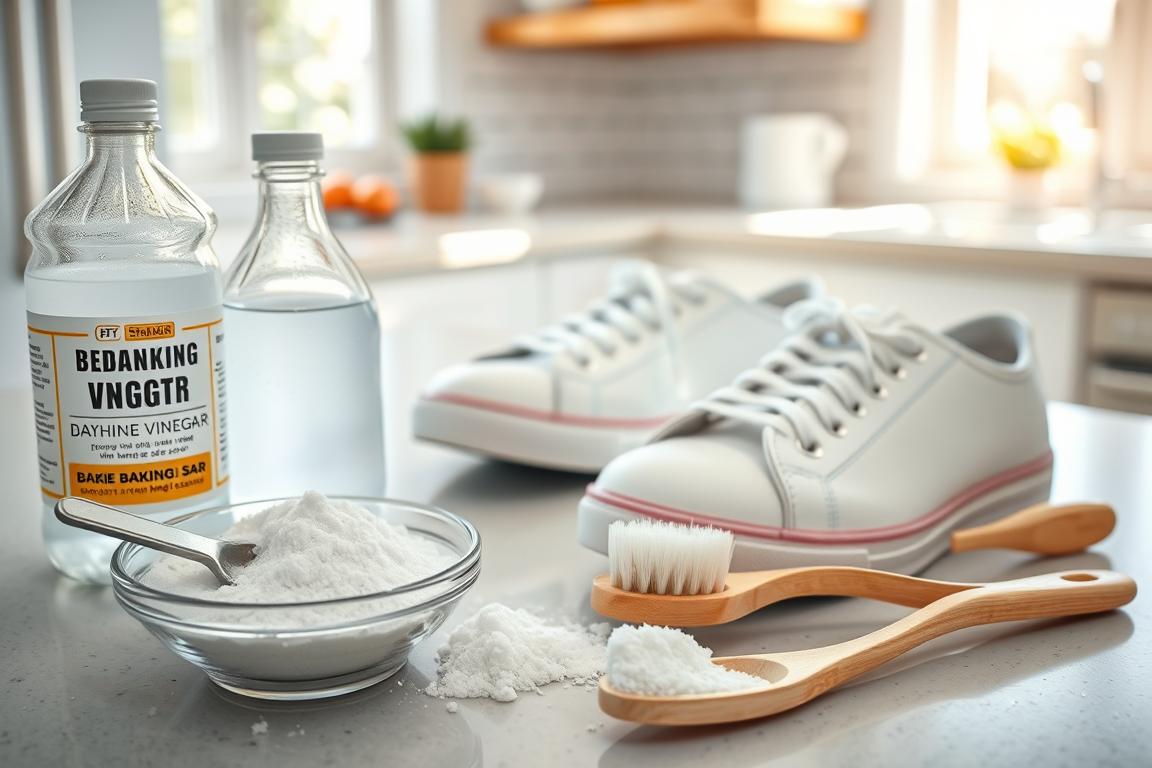
Your kitchen holds powerful cleaning agents perfect for reviving your favorite footwear. These common items offer safe, effective alternatives to commercial products.
They work gently on various materials while being budget-friendly. Always test any homemade solution on a small area first.
Using Baking Soda, Vinegar, and Dish Soap
Baking soda stands out as a versatile cleaner. It works as both a gentle abrasive and natural deodorizer.
Create a simple paste by mixing equal amounts of baking soda and water. Apply this mixture with a soft brush using circular motions.
For extra power, add a splash of white vinegar. This combination helps break down stubborn stains effectively.
Dish soap mixed with water creates another excellent solution. It's perfect for rubber and foam parts.
Household Cleaning Solutions Comparison
| Ingredient | Best Use | Mixing Ratio | Application Time |
|---|---|---|---|
| Baking Soda Paste | General stains & deodorizing | Equal parts baking soda/water | 15-30 minutes |
| Vinegar Boost | Stubborn marks | Splash of vinegar to paste | Same as paste |
| Dish Soap Solution | Rubber & foam parts | Few drops soap per cup water | Immediate wipe |
| Bucket Method | Full shoe soak | 1 cup baking soda, 1 gal water | 30-60 minutes |
These household solutions provide effective cleaning without harsh chemicals. They're gentle enough for regular use on your prized possessions.
Essential Cleaning Tools and Equipment
Proper tools are the unsung heroes of effective footwear care. Having the right equipment transforms maintenance from frustrating to fulfilling. Your results depend heavily on choosing appropriate implements.
Brushes, Microfiber Cloths, and Mesh Laundry Bags
A quality shoe brush is your first line of defense. Different bristle types serve unique purposes. Soft brushes gently remove surface dust without scratching delicate materials.
For detailed work, an old toothbrush reaches tight spaces. It cleans around eyelets and seams where dirt hides. This small tool makes a big difference in final appearance.
Microfiber cloths outperform regular towels. Their fine fibers lift grime without damaging surfaces. Use these cloth options for applying cleaners and polishing.
When machine washing is necessary, a mesh laundry bag is essential. This protective bag contains shoes and prevents damage. The mesh design allows proper water flow while keeping components together.
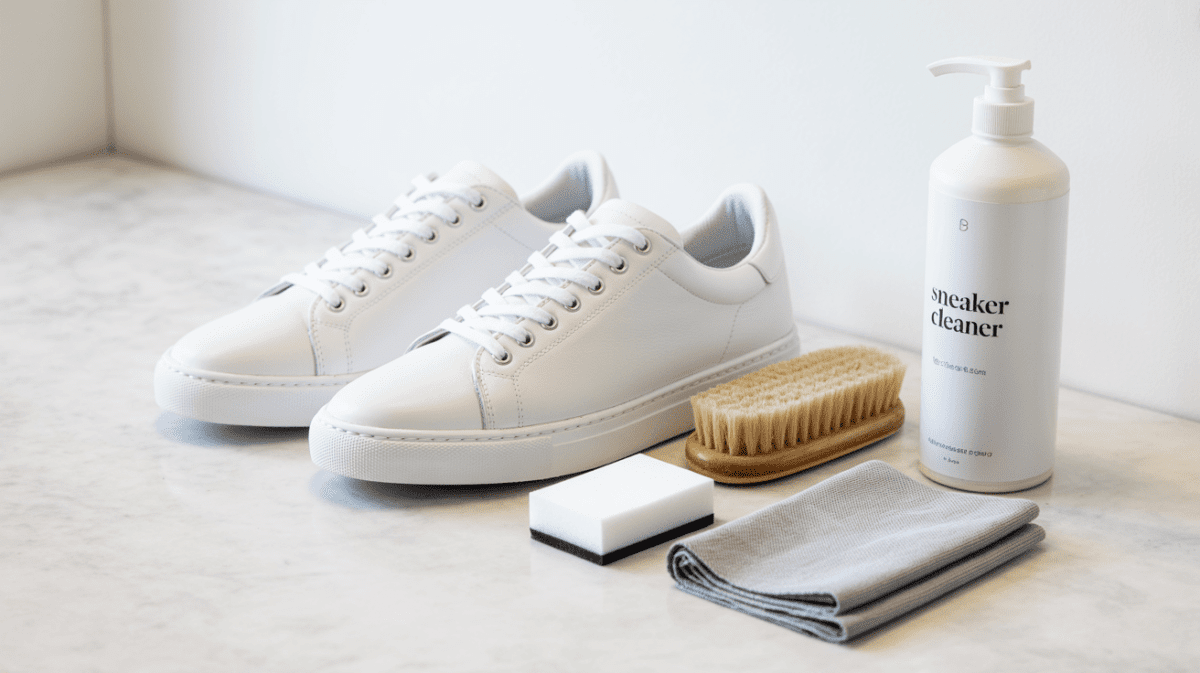
Specialized tools like melamine sponge products tackle stubborn marks. They work wonders on scuffs without harsh chemicals. Combined with proper technique, these tools maintain pristine condition.
Spot-Cleaning vs. Machine Washing: Weighing Your Options

Effective maintenance often comes down to a simple question: spot-clean now or machine wash later? Your choice depends on the level of dirt, the shoe's material, and how much time you have.
Spot-cleaning is the safer option for most situations. It gives you precise control to tackle specific stains immediately. This method minimizes water exposure, reducing the risk of damage to glues and fabrics.
Throwing your footwear in the washing machine is convenient but carries more risk. Experts note that a machine cycle is better at eliminating odors than removing set-in stains. It should be a last resort for deeply saturated grime.
Addressing new stains right away with a spot treatment prevents them from bonding with the material. Regular upkeep after each wear stops dirt from building up to a level that demands a full laundry session.
Cleaning Method Comparison
| Method | Best Use Case | Stain Removal | Risk Level |
|---|---|---|---|
| Spot-Cleaning | Fresh stains, regular upkeep | Highly effective on new marks | Low |
| Machine Washing | Pervasive odors, heavy grime | Less effective on visible stains | Medium to High |
Consider the time factor too. Hand washing requires attention, while the machine does the work for you. Weighing these factors helps you make the best choice for your prized footwear.
Tips for Drying and Maintaining White Sneakers
The final step in your cleaning routine is just as important as the initial scrub. Proper drying techniques ensure your footwear maintains its shape and brightness.
Always air dry your clean shoes naturally. Never use a dryer, as heat can damage materials and glues.
Air-Drying Techniques and Moisture Control
Choose a well-ventilated spot for drying. Outdoor areas or open windows provide ideal airflow. This prevents musty odors from developing.
Stuff your sneakers with newspaper to absorb moisture. This helps maintain their original shape while they dry.
Lay laces flat to avoid clumping. Position them separately from the shoes for even drying.
If outdoor space isn't available, use a fan. The circulating air speeds up drying without applying damaging heat.
Preventing Future Stains and Damage
Apply a protective spray to your clean white shoes. This invisible barrier helps protect against new stains.
Regular maintenance takes just a few minutes. Wipe your sneakers with a damp cloth after each wear.
This quick care routine removes surface dirt before it sets. It extends the time between deep cleanings.
Avoid soaking your footwear in water. Excessive moisture can weaken materials and cause damage.
If your shoes get wet, act quickly. Use paper towel stuffing and dry at room temperature.
Conclusion
You now have all the tools and knowledge needed to keep your favorite footwear looking its absolute best. The secret lies in matching your approach to the specific materials of your shoes.
Whether you use a machine for sturdy canvas or gentle hand-cleaning for delicate leather, the right technique protects your investment. Common household items can be just as effective as store-bought products for this task.
Regular, quick care after each wear makes a huge difference. It stops dirt from building up and reduces the need for deep cleaning sessions. A simple wipe-down and proper storage will extend the life of your favorite pair.
Your effort in learning how to clean white sneakers without damaging the material pays off every time you step out. With this confident approach, your white sneakers will stay bright and impressive for a long time to come.
FAQ
Can I just throw my white sneakers in the washing machine?
You can, but it's not always the best option. Always check the care label first. For machine washing, remove the laces and insoles, place the shoes in a mesh laundry bag, and use a gentle cycle with cold water and a small amount of mild detergent. This method works best for sturdy materials like canvas.
What's the safest way to clean leather and suede white shoes?
Hand cleaning is essential for these delicate materials. For leather, use a damp cloth with a bit of saddle soap or a specialized leather cleaner. For suede, use a dry suede brush to lift dirt and a suede eraser for marks. Avoid soaking them with water, as it can cause permanent damage.
How do I get rid of tough stains on my white fabric sneakers?
For stubborn marks, create a simple paste using baking soda and a small amount of water or dish soap. Gently scrub the stained area with a soft-bristled brush, like a toothbrush, and then wipe it away with a damp cloth. This solution is effective yet gentle on the material.
What household ingredients work best for cleaning white shoes?
Common items like baking soda, white vinegar, and dish soap are excellent for cleaning. A mix of warm water and dish soap is a great all-purpose cleaner. Baking soda acts as a gentle abrasive for scuffs, while a vinegar solution can help with odor removal.
What's the proper way to dry my sneakers after cleaning?
Air drying is the only safe method. Never use a clothes dryer, as the heat can warp the shoes. Stuff them with paper towels or a clean cloth to help them keep their shape and absorb moisture. Let them dry away from direct sunlight or heat sources to prevent yellowing.
Is it better to spot-clean or fully wash my sneakers?
Spot-cleaning is perfect for tackling fresh dirt and small stains quickly, preventing them from setting in. A full wash is necessary for an overall deep clean. Weigh your options based on how dirty the pair is to avoid unnecessary wear from frequent washing.
How can I keep my white sneakers looking new longer?
Prevention is key! Apply a protective spray designed for your shoe's material. Wipe them down with a damp cloth after each wear to remove surface dirt. Proper storage away from dust and sunlight also plays a big role in maintaining their bright white appearance.