Essential Sneaker Buying Considerations: Top 10 Factors
Comfort and Support: The Importance of Finding the Right Sneaker Fit
When it comes to buying sneakers, the importance of finding the right fit cannot be overstated. Sneakers that are too tight or too loose can cause discomfort, pain, and even injury. A well-fitting sneaker, on the other hand, can provide the necessary support and cushioning to help you perform your best.
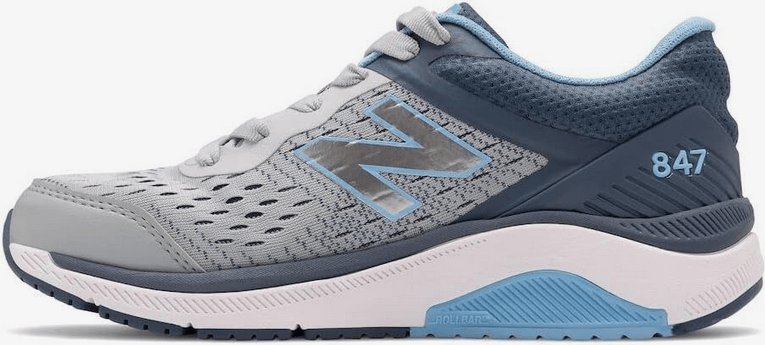
One key factor to consider when trying on sneakers is the shape of your foot. Depending on whether you have a high arch, flat feet, or any other foot condition, you may need to look for a shoe with specific features. For example, if you have flat feet, you may need a sneaker with better arch support.
Another thing to consider is the style of the sneaker. Different styles may have different fits, even within the same brand. For example, a running shoe from the same brand may fit differently than a cross-training shoe; therefore, it's essential to try on different styles and determine what works best for you.
The size of the sneaker is also crucial. Many people make the mistake of buying sneakers that are too small, thinking they will stretch out over time. However, a sneaker that is too small can cause blisters, corns, and other foot problems. On the other hand, a sneaker that is too big can cause your foot to slip around inside the shoe, leading to instability and potential injuries.
In addition to finding the right size, you should also pay attention to the width of the sneaker. Many brands offer different widths, so if you have wide or narrow feet, you may need to look for a specific width to ensure a proper fit.
Ultimately, finding the right fit for your sneakers is crucial for achieving comfort and support. By taking the time to try on different styles and sizes, you can find the perfect pair that will help you perform your best and keep your feet happy and healthy.
Material and Durability: Which Sneaker Materials Best Suit Your Needs?
When it comes to buying sneakers, the materials they're made of can greatly affect their durability, comfort, and overall performance. With numerous options available, it can be challenging to determine which materials will best suit your needs. Here, we'll break down some of the most common sneaker materials to help you make an informed decision:
Leather: Leather is a classic sneaker material for good reason. It's durable, easy to clean, and looks great with just about anything. However, leather sneakers can be a bit stiff and take some time to break in. Mesh: Mesh is lightweight and breathable, making it a popular choice for running and other athletic sneakers. However, it's not the most durable material and can wear out quickly with heavy use. Synthetic leather: Synthetic leather offers the look and feel of real leather, but is often more affordable and easier to care for. It also tends to be lighter and more flexible than real leather.
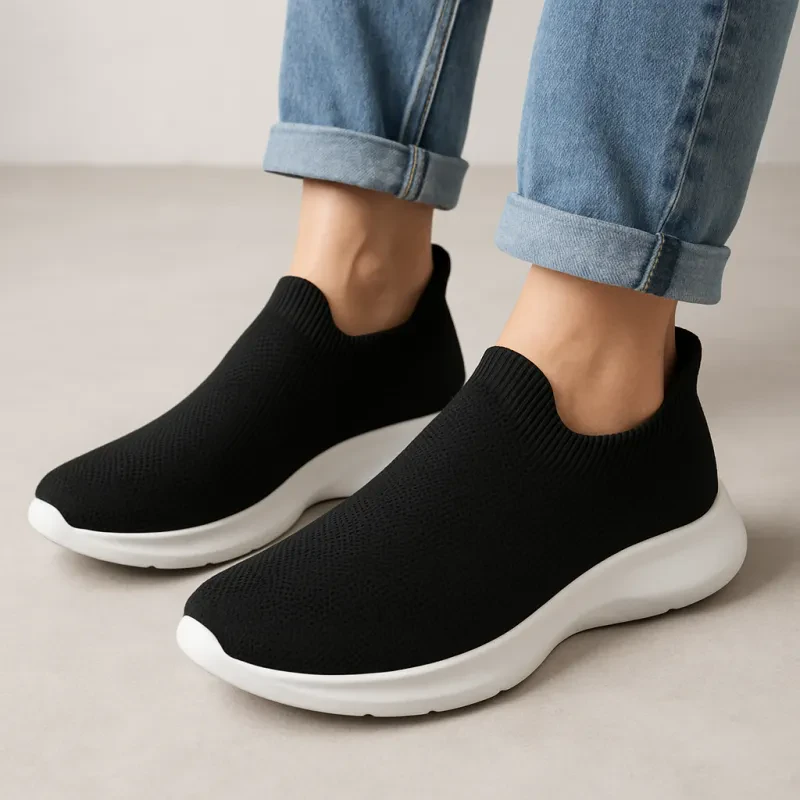
However, it's not as breathable and can be less durable in the long run. Canvas: Canvas sneakers are affordable, lightweight, and easy to clean. They're a great choice for everyday wear or casual outings. However, canvas is not as durable as other materials and can stain easily. Knit: Knit sneakers are one of the hottest trends in the sneaker world right now. They're lightweight, breathable, and stretchy, offering a comfortable and snug fit. However, knit is not the most durable material and can snag easily.
When choosing the right sneakers for you, consider your needs and lifestyle. If you plan to wear them for athletic purposes, prioritize breathability and durability. If you're looking for everyday wear, focus on comfort and style. By considering the materials your sneakers are made of, you can ensure that you're making a smart and informed purchase.
Style and Design: Finding the Perfect Sneaker to Match Your Unique Style
When purchasing sneakers, comfort and functionality are crucial factors to consider. However, style and design are also crucial components that shouldn't be overlooked. After all, your sneakers can reveal a great deal about your personal style and taste.
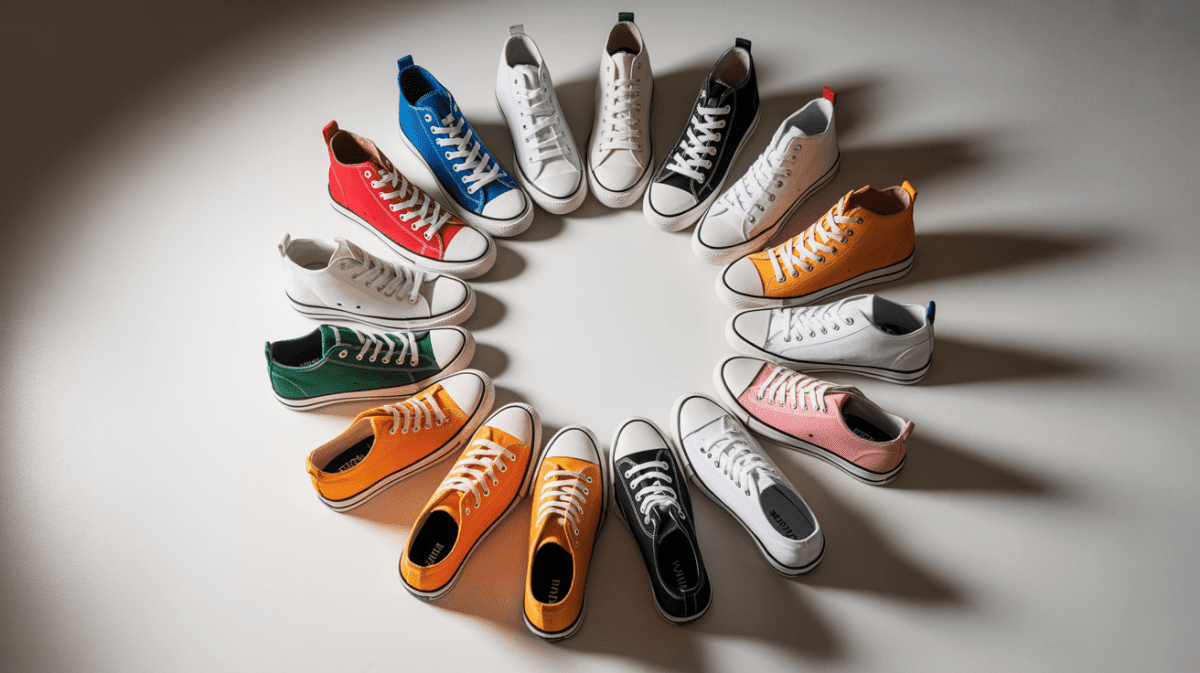
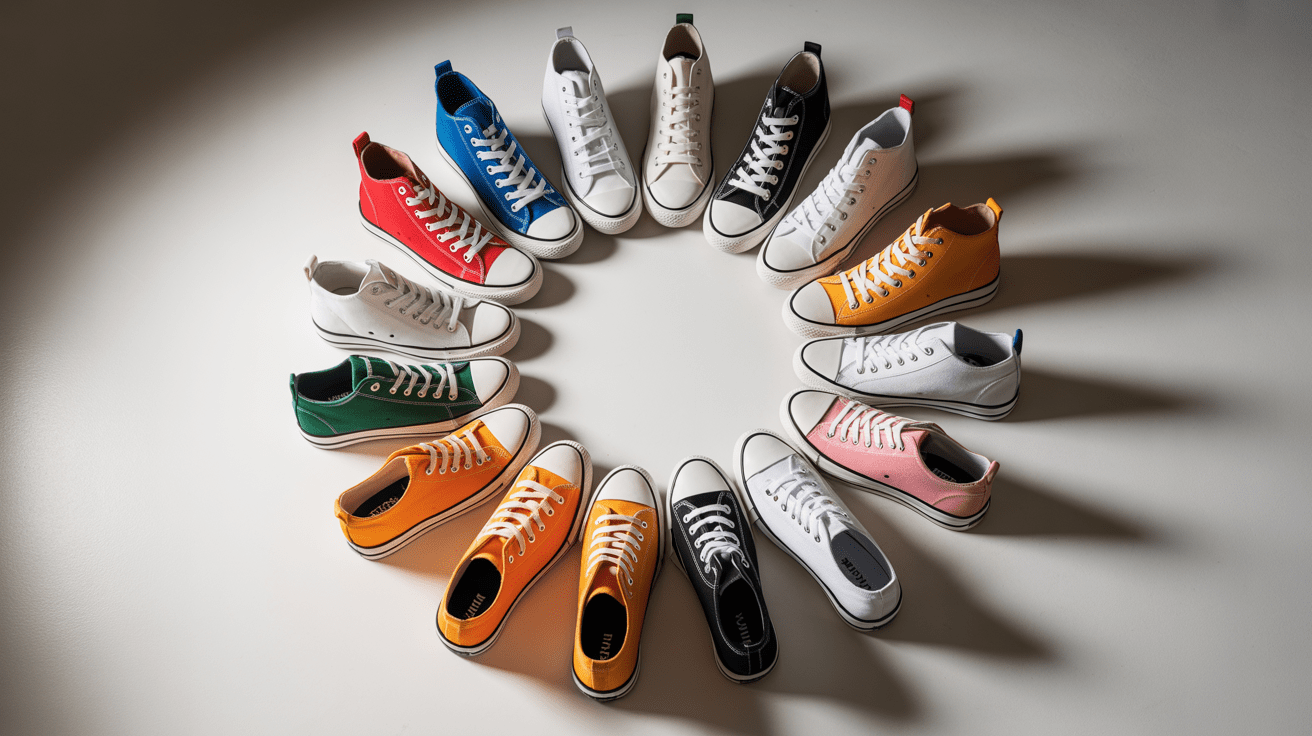
One of the first things to consider when looking for a sneaker that matches your unique style is the color scheme. Sneakers come in an array of colors and patterns, so it's important to choose a hue that complements your wardrobe. If you tend to wear a lot of neutral colors, a bold and bright sneakers can add a pop of color to your outfit. On the other hand, if you prefer patterns and prints, a solid-colored sneaker can provide balance and make your outfit look less busy.
Design is another important element in sneakers. You want a design that fits your personal style but also suits the occasion. For example, a pair of high-top sneakers might be too casual for a job interview, whereas a classic low-top design might work perfectly. Similarly, a flashy sneaker with lots of embellishments might not be the best choice for a conservative workplace, while a simple leather sneaker can look professional and stylish at the same time.
Of course, your personal preference should always be taken into consideration when choosing a sneaker style and design. Do you like a lot of straps or zippers? Are you a fan of logos and branding, or do you prefer a minimalist approach? Whatever your taste, there's a sneaker out there that's perfect for you.
Ultimately, finding the perfect sneaker to match your unique style involves trial and error. Don't be afraid to experiment with different styles and colors until you find the perfect fit. Remember, your sneakers should not only be comfortable and functional but also reflect your personality and style.
In Conclusion
Buying shoes entails more than simply selecting a trendy pair from a rack. Getting the most out of your money requires careful consideration of a wide range of circumstances. The following list of the top 10 most important factors to think about when purchasing sneakers will help you make a well-informed purchase that suits your taste, feet, and way of life.
Keep in mind that your feet's comfort is of the utmost importance, so choose shoes with adequate padding, support, and a snug fit. Don't skimp on quality; shoes with sturdy construction will serve you better in the long run. You may make an informed decision about the shoe by checking its materials, production methods, and brand reputation.
Think about how you'll be using the sneakers. What are you planning on using them for: daily wear, sports, or making a fashion statement? Make choices in accordance with your ultimate goal. Pick sneakers that speak to your sense of style and can be worked into your current clothing without sacrificing comfort.
When shopping online, it is extremely important to pay attention to sizing. If the item doesn't seem to be the proper size after consulting sizing charts and reviews, don't hesitate to return it for an exchange or refund. It's also important to choose sneakers that are built to last, so look for high-quality materials and skilled craftsmanship.
If you're concerned about the company's impact on the environment, look into their sustainability initiatives. Many companies now employ manufacturing methods that minimize their environmental impact. As an added precaution, only purchase items from trusted vendors to guarantee their authenticity.
Ultimately, recognize that quality typically costs more than cheaper alternatives. Getting the right mix of price and value is the key to a happy shopping experience.
As a whole, the world of sneakers is incredibly dynamic and diverse. With this article's top 10 considerations in mind, you'll be able to confidently shop for sneakers that suit your own taste, feet, and lifestyle. Let the sneaker shopping begin!
DISCLAIMER
This document is provided for general information purposes only and should not be relied upon as providing legal advice, technical, or specific operational guidance to the reader, whether as to the practices described in the document or the applicable legal requirements and regulations. Snazzy Sneaks.com expressly disclaims any responsibility for liability arising from or related to the use or misuse of any information in this document.